Choose rekeying when compatible hardware is in good condition and the goal is to stop old keys from working. Consider replacement when the lock is damaged, worn, incompatible, or no longer meets the security goal. A mixed door-by-door plan is often the most practical answer.
Quick checklist
- Count every exterior door and the keys that should operate them.
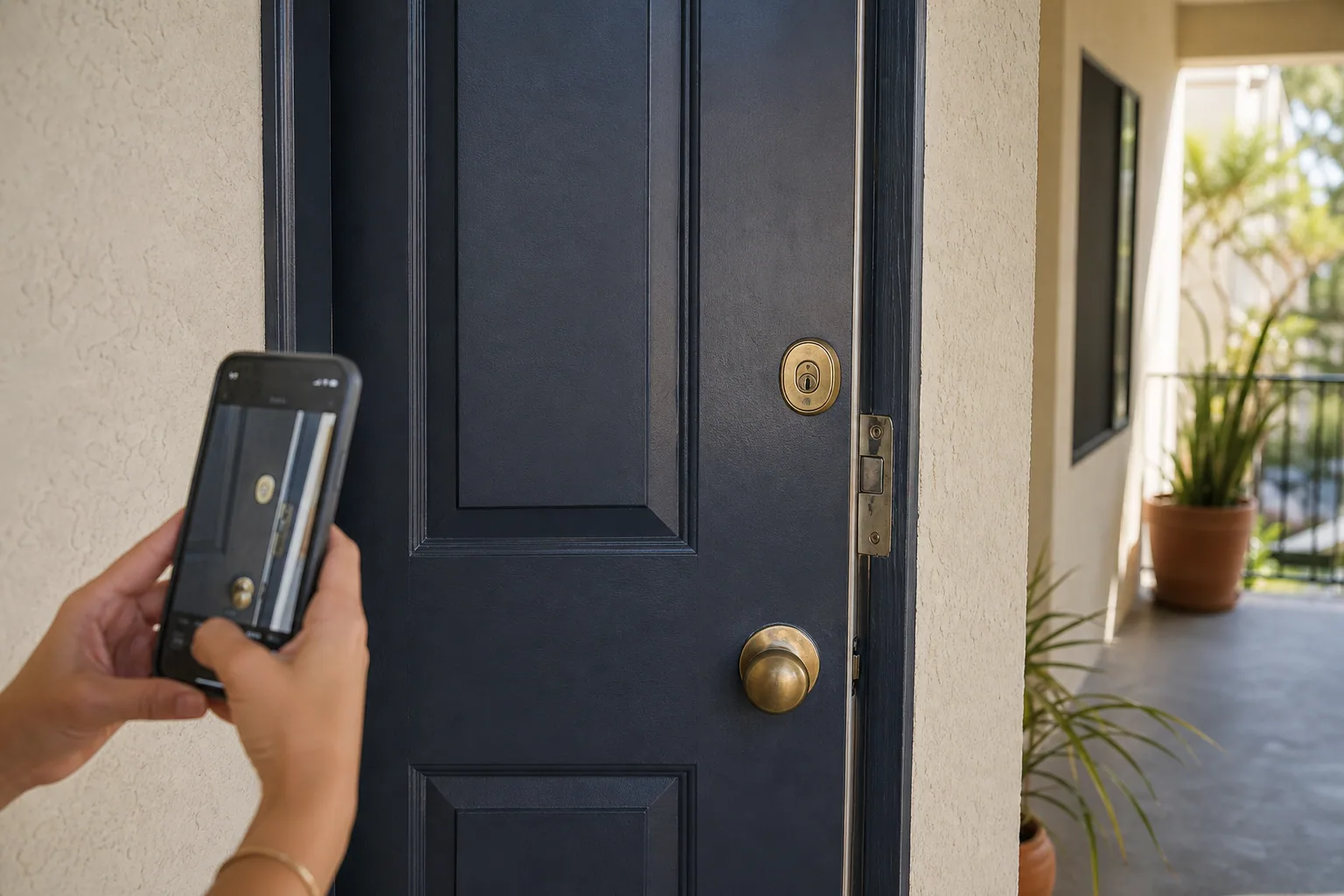
- Photograph the face, edge, and interior side of each lock.
- Note loose trim, sticking bolts, corrosion, damage, or an unknown keyway.
- Decide whether one key should operate several compatible doors.
- Ask for separate rekey and replacement options where both are practical.
Rekey, replace, or use a mixed plan
When rekeying is usually enough
Rekeying is a strong fit when the existing lock is compatible, operates smoothly, and provides the level of physical security you want. The cylinder is adjusted so old keys stop working, while the body, trim, latch, and strike remain in place.
Common reasons include moving into a home, a tenant or roommate change, missing keys, employee turnover, or combining compatible locks onto a simpler key plan.
When replacement earns its cost
Replacement makes more sense when the hardware is worn, damaged, loose, badly aligned, corroded, or incompatible with the desired key system. It is also the appropriate path when the goal is a stronger deadbolt, a different function, or a smart-lock upgrade.
Replacing a cylinder will not correct a sagging door or weak strike attachment by itself. Ask the provider to separate lock condition from door-and-frame problems.
A mixed plan is often the sensible plan
Properties rarely need the same answer at every opening. A provider may be able to rekey sound locks, replace one failed exterior set, and adjust another door that is binding. That preserves useful hardware without ignoring the weak point.
For rentals and small businesses, document how many keys are issued and who is authorized to request future copies. Key control is an operating process, not only a one-time service.
Compare quotes by scope
Ask how many cylinders, keys, adjustments, and replacement parts are included. Confirm whether the locks can be keyed alike and whether a restricted or specialty keyway changes future duplication options.
RR does not choose the hardware or set the price. The connected provider should state its company and LCO, inspect compatibility, and give the complete scope before you authorize work.
Questions people ask
Does rekeying improve the physical strength of a lock?
No. Rekeying restores key control but does not strengthen worn hardware, the door, or the strike. Physical upgrades require repair, reinforcement, or replacement.
Can different lock brands use the same key?
Sometimes, but compatibility depends on the cylinder and keyway. A provider must inspect the hardware before promising a keyed-alike result.
Sources and further checks
View 2 checked sources
Sources checked August 10, 2026. Product instructions vary by model; use documentation for the exact hardware or vehicle.